
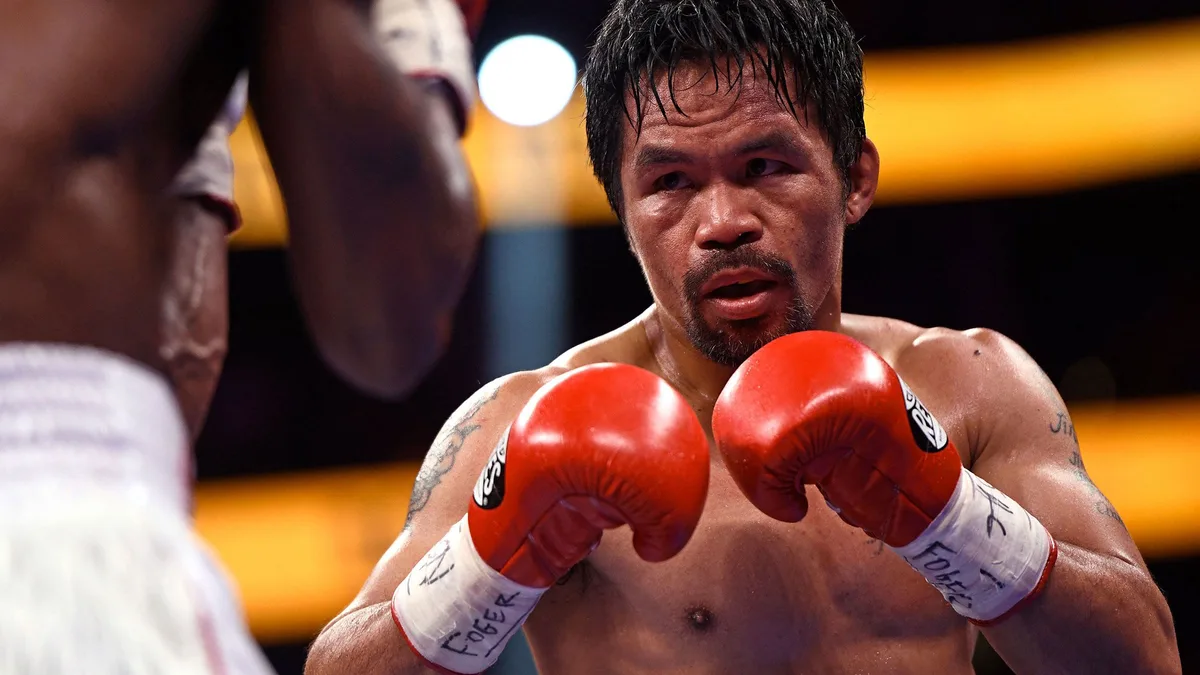
Boxing Weight Classes: All 17 Divisions Explained
The complete guide to professional boxing's weight limits — plus which divisions have produced Filipino world champions
Dante Ocampo · Aug 18, 2026 · 6 min readWhy boxing has weight classes
Boxing splits fighters into weight classes so a 105-pound minimumweight never has to fight a 250-pound heavyweight. Every professional bout is sanctioned within a specific weight limit — enforced at the official weigh-in the day before the fight, when both boxers step on a scale and must be at or below the division's ceiling.
The four major sanctioning bodies — WBC, WBA, IBF, and WBO — recognize 17 weight classes between them, with weight limits that have been standardized since the 1980s. A fighter who wins a world title at one weight can move up (or down) to another division and, if talented enough, become a multi-division champion — the highest form of achievement in the sport.
All 17 weight classes, from lightest to heaviest
Filipino world champions by division
Filipino boxers have won recognized world titles in at least 10 different weight classes across the past century — an outsized footprint given the country's population. The list below covers the divisions where a Filipino has been crowned world champion by at least one of the four major bodies.
- Minimumweight — Pedro Taduran (IBF, current)
- Light flyweight / Junior flyweight — Donnie Nietes (multiple sanctioning bodies)
- Flyweight — Pancho Villa (1923, the first Filipino world champion), Nonito Donaire
- Super flyweight — Nonito Donaire, Jerwin Ancajas (IBF)
- Bantamweight — Nonito Donaire (multiple)
- Super bantamweight — Nonito Donaire, Marlon Tapales
- Featherweight — Manny Pacquiao (IBF), Mark Magsayo (WBC), Luisito Espinosa
- Super featherweight — Manny Pacquiao, Flash Elorde (WBC, 10 title defenses)
- Lightweight — Manny Pacquiao (WBC)
- Welterweight — Manny Pacquiao (WBO), Ceferino Garcia (1939, middleweight — as reference to eras)
Manny Pacquiao's 8 divisions
Manny Pacquiao is the only boxer in history to hold major world titles in eight different weight classes. Starting at flyweight and finishing at super welterweight, he crossed 42 pounds of weight range while winning belts along the way — a feat considered nearly impossible to repeat in the modern era.
- Flyweight — WBC (1998)
- Super bantamweight — IBF (2001)
- Featherweight — Ring (2003)
- Super featherweight — WBC (2008)
- Lightweight — WBC (2008)
- Super lightweight — IBO (2009)
- Welterweight — WBO (2009)
- Super welterweight — WBC (2010)
How weigh-ins work
A fighter must weigh at or below their division's limit at the official weigh-in, held the day before the fight. If a fighter misses weight and cannot lose the excess within the two-hour grace period, they either forfeit the title (if defending), can't win the title (if challenging), or pay a percentage of their purse to the opponent as agreed in the contract — the standard modern penalty ranges from 10% to 30% of purse.
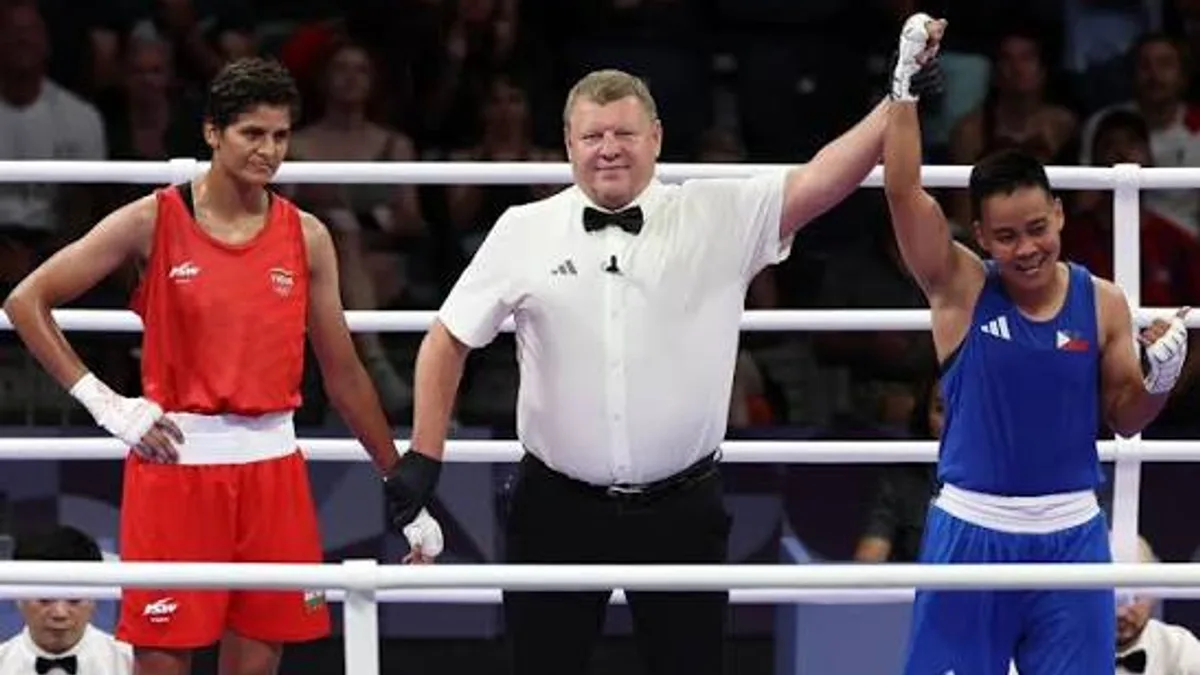
Boxing Scoring: 10-Point Must System Guide
Ever wonder how three ringside judges score a 12-round boxing match? A complete guide to the 10-point must system, what earns points, 10-8 rounds, and how cards are tallied.
Dante Ocampo · Aug 26, 2026 · 6 min read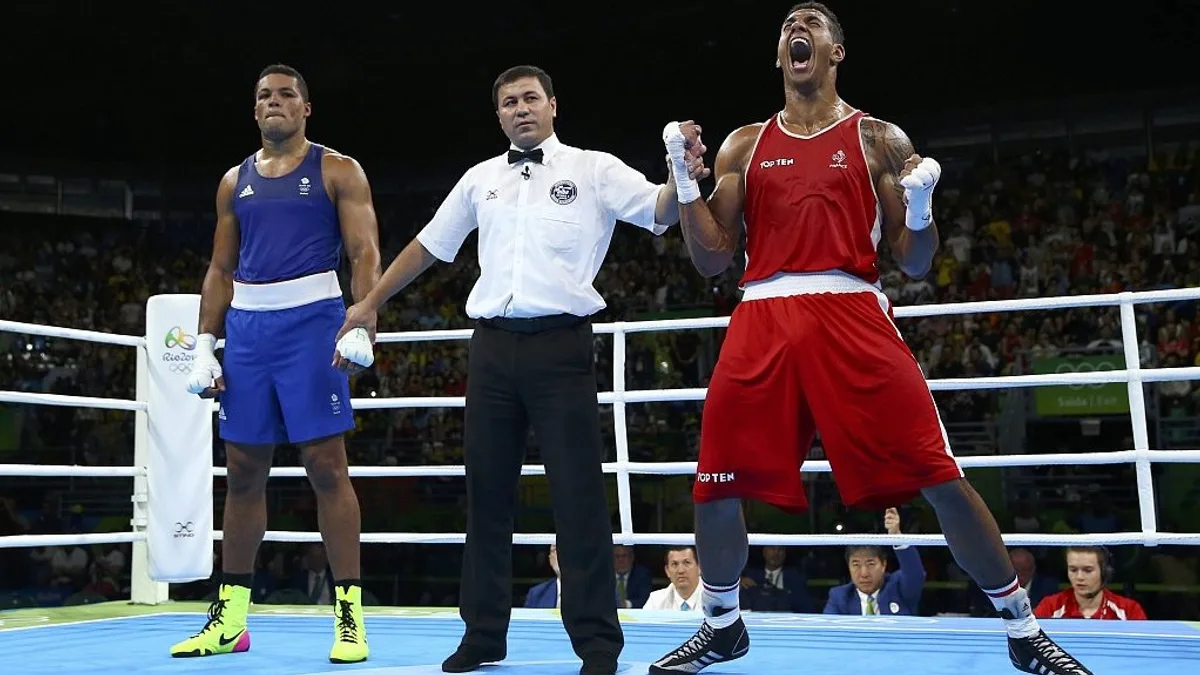
Boxing Decisions: KO, TKO, UD, SD, MD Explained
What is the difference between a Unanimous Decision (UD), Split Decision (SD), Majority Decision (MD), and a Technical Knockout (TKO)? Complete guide to boxing results.
Dante Ocampo · Aug 26, 2026 · 5 min read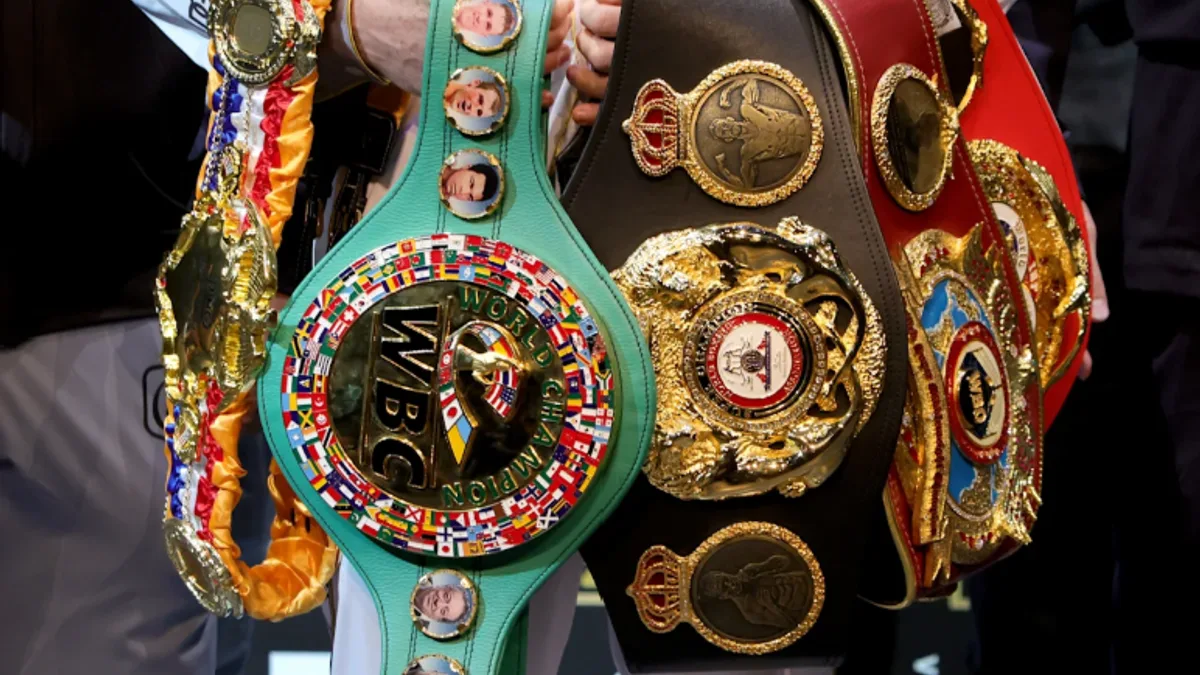
Major Boxing Belts: WBC, WBA, IBF & WBO Guide
Why are there so many boxing belts? Understand the Big Four sanctioning bodies (WBA, WBC, IBF, WBO), how unification bouts work, and what makes an undisputed world champion.
Dante Ocampo · Aug 26, 2026 · 7 min read